In conflict settings, basic services transform into more than just utilities or networks. They expose the community's relationship with public institutions, the fairness of resource allocation, and local actors' capacity to cooperate around shared needs.
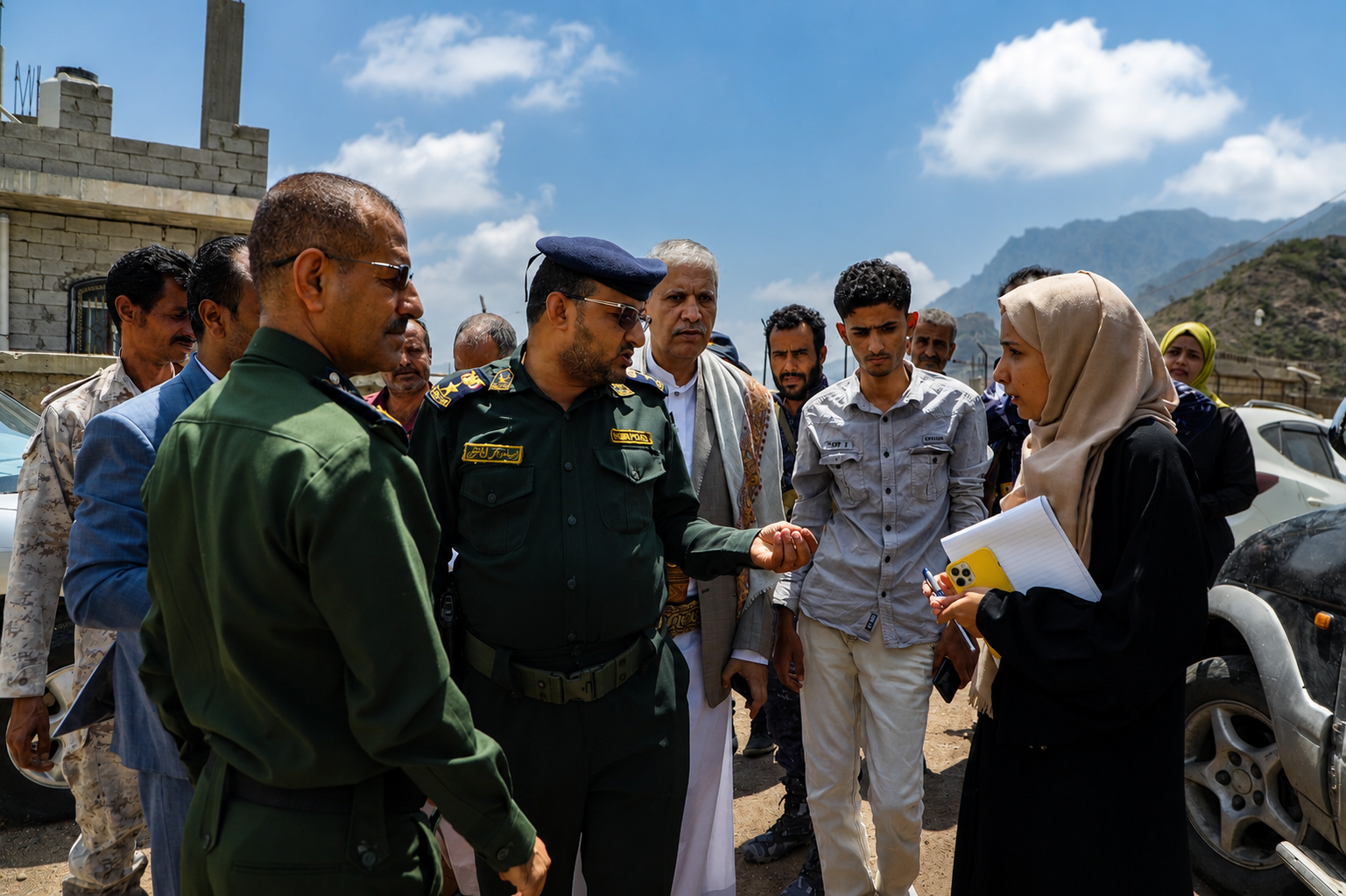
In Taiz Governorate, the challenge was not merely: "How do we fix a pump or restart a pipeline?" It was also: How do we protect public assets? How can technical teams arrive safely? How do we neutralize water as a shared humanitarian necessity? And how do we restore the public corporation's role in service management within a divided reality?
Hence, mediation around water became an intrinsic part of addressing the service itself. Without a baseline of trust and coordination, transforming technical rehabilitation into a sustainable service is impossible. And without clear governance, any operational progress remains temporary or vulnerable to collapse.