Waste Mediation & Governance in Taiz Governorate
From daily sanitation to governance and environmental peace in Taiz
Sheba Youth Foundation for Development developed a path analyzing, mediating, and governing the waste sector in Taiz, showing how sanitation ties to revenues, landfills, labor rights, equipment, fund capacity, and public trust.
Why Archive This Attempt?
This page serves as an institutional archive of a local reform attempt in one of the most critical public service utilities in Taiz: the Cleaning and Improvement Fund. It documents a practical effort starting from understanding the issue to strategic planning and governance.
The value of this archive lies in preserving localized knowledge accumulated during a sensitive period, demonstrating that sanitation is a public governance issue touching revenues, HR, dump sites, equipment, and trust.
Thus, documenting this trajectory provides a practical foundation for any future efforts aiming to complete institutional reform, protect public services, and strengthen trust.
Sanitation: Governance & Environmental Peace
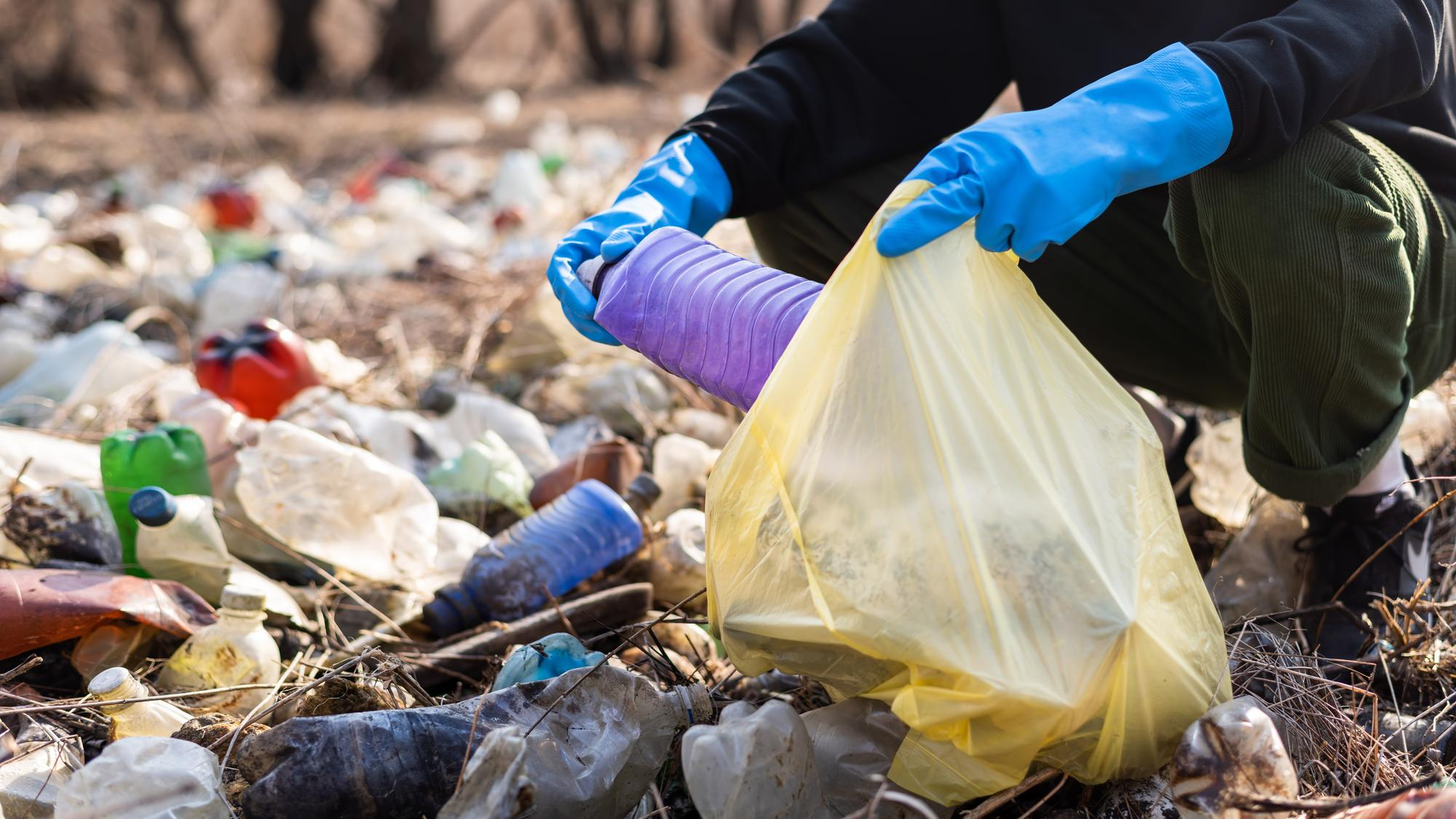
Experience in Taiz proves that sanitation is deeply linked to public health, city dignity, municipal finance, and institutional capacity. From an environmental peacebuilding perspective, service disruption undermines public trust, transforming waste management into a vital entry point for dialogue and institutional reform.
Connected Pipeline: From Service to Trust
Initial daily sanitation crisis
Dumpsites & land access friction
Collection fees & central bank linkage
Sweepers rights, safety & incentives
Compactor trucks & spare parts
Cleaning & Improvement Fund capacity
Ultimate goal: equitable public service
Role of Sheba Youth Foundation for Development
Governance & Mediation Angle
Approached sanitation from a governance and mediation perspective rather than direct municipal operation, helping understand root issues and enabling dialogue.
Analysis, Mediation & Fieldwork
Built local teams, facilitated field visits, and dialogued with political, institutional, and security actors to overcome bottlenecks.
The strength of this path lies in unifying local peacebuilding, public service governance, and feminist leadership.
Work & Mediation Track: From Field to Plan
Presents the work trajectory as a field and institutional journey starting from internal diagnosis, training, field visits, mediation, and strategic planning.
From Environmental Mediation to Governance
Demonstrating how environmental mediation serves as an entry point for reforming a public service utility.
From Daily Complaint to Diagnosis
Analyzing institutional, financial, and environmental root causes rather than surface symptoms.
From Diagnosis to Mediation
Opening channels on revenues, bottlenecks, and local actor relations.
From Mediation to Plan
Translating analysis into a 2024–2026 Strategic and Executive Plan.
From Individual Leadership to Protection
Emphasizing that systemic reform requires institutional protection for reformist women leaders.
Strategic Plan & Governance Agenda
Cleaning & Improvement Fund Strategic Plan 2024–2026: Urgent Interventions with a Sustainable Perspective
Governance & Institutional Reform
Updating bylaws, activating the Board, internal control, legal dept, power distribution, and phased execution.
Human Resources & Sweepers Rights
Contracts, incentives, training, job descriptions, occupational safety, and capacity building.
Financial Resources & Revenues
Computerized financial system, collection regulation, central bank linkage, and transparency.
Equipment & Operational Services
Procuring core machinery, spare parts, maintenance workshops, and optimizing collection routes.
Landfill & Environmental Risks
Mediation on dump sites, leachate control, affected communities, and sustainable landfill options.
Center, Branches & Secondary Cities
Linking Al-Mokha, Al-Turba, and rural branches to governorate-wide governance.
Awareness & Community Partnerships
Engaging schools, preachers, artists, influencers, private sector, and civil society.
Recycling & Green Solutions
Circular economy initiatives, recycling partnerships, and landfill pressure reduction.
Protection of Women Leaders
Institutional support and protective frameworks for female leaders and mediators in public utilities.
Iftehan al-Mashhari: Feminist Leadership & Legacy
The late Iftehan al-Mashhari was an extraordinary model in leading the sanitation file and rebuilding public service institutions with courage, integrity, and transparency.
Sanitation services in conflict settings fail not only from lack of funds, but from weak systems, overlapping mandates, diminished trust, and fragile leader protection. Through this path, a daily sanitation crisis transformed into a deeper attempt at understanding the institution, opening mediation channels, supporting planning, and linking public service to governance and environmental peace.